- Expanish
- /
- Blog
Get a little taste of life as an Expanish Student
Ideas, tips, and tools for students learning Spanish in Spain and Argentina
Featured Posts

Four Expanish students from different parts of the world talk about their experiences learning Spanish in Spain and Argentina, and why staying three months or longer fully immersed in the language and culture is what makes the difference.


Learning Spanish doesn't have to take years. While genuine fluency is a long-term project, there are evidence-backed strategies that can accelerate your progress and get you to a conversational level in the quickest time possible.

In this guide we'll cover some of the practicalities and tips that will help you get the most out of your gap year in Spain. Things like the type of visa you might need, how to budget your trip, ideas for where to stay and travel, and why taking an immersive course with a local language school is one of the best ways to take the experience to the next level.
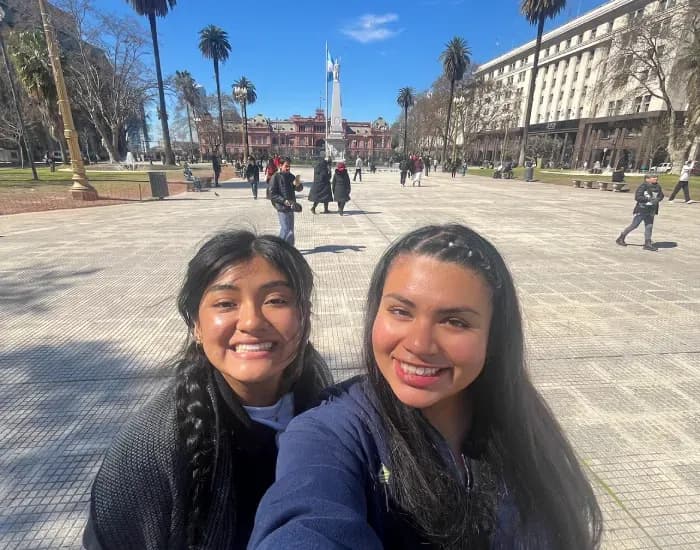
Holis! We are Lis and Sarah and we are two fourth year students from UC Davis (Go Ags!) and we recently completed a study abroad semester program covering Human Rights and Cultural Memory in Argentina and Chile. As proud daughters of immigrants and first generation college students, we know how scary the idea of studying abroad can be, so we wanted to share our experience to help ease any doubts and to encourage more students like us to go abroad!

Trust us, we've heard the questions. How do you say Expanish and what does it really mean? So what's with the name? Check out this article from one of our founders, Agustín Vignale, to learn the story behind our name.

Where should I learn Spanish: in Spain or Latin America? This is a common question that sparks a lot of debate online, but the decision will ultimately boil down to personal preferences, cultural connections and practical possibilities. Here we outline some key factors to consider.

Murphy Scott, University Relations Director at Expanish Buenos Aires, looks at how inclusive language in Spanish has evolved over the years, why this matters for everyone in international education, and what happens next.
Useful Guides

A common question for people starting out with Spanish is: How fast can I become fluent in Spanish? In most cases people can be conversational after around 4-6 months of study, but everyone's language learning journey is different. In this guide we’ll break down the key things to know about the time needed to improve your Spanish, and how immersion combined with intensive study can accelerate your progress. (Latest update: 14 May 2026)


If you are planning to study in Argentina and stay for more than 90 days then you must obtain a student visa. This includes long-term courses in Argentina with accredited language schools like Expanish. To help you navigate the visa process smoothly we’ve created this easy guide with key information and valuable tips.
In this guide we'll cover some of the practicalities and tips that will help you get the most out of your gap year in Spain. Things like the type of visa you might need, how to budget your trip, ideas for where to stay and travel, and why taking an immersive course with a local language school is one of the best ways to take the experience to the next level.

“Can I work in Spain if I have a student visa?” This is a question we hear often at Expanish. The short and honest answer is: "it's complicated". While technically possible, there are numerous restrictions and conditions. Read on for full details on what work is permissible for international students in Spain, and what you need to do to be able to make it happen.
Expanish Stories
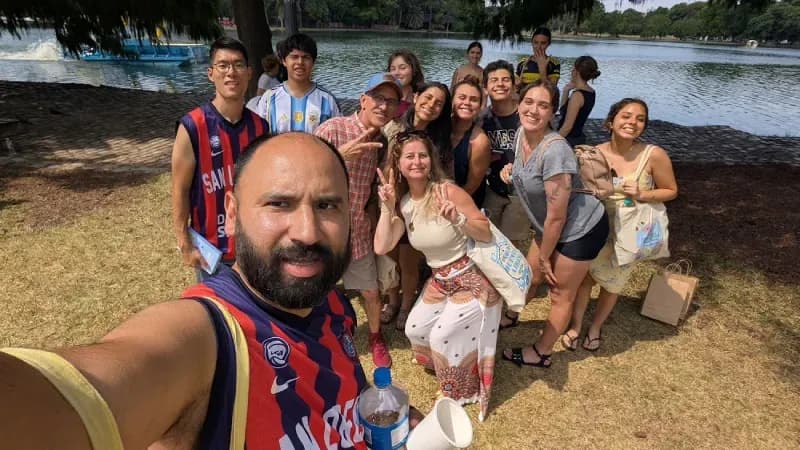
Angelina and Michael, two students from San Diego Mesa College, talk about their experiences, feelings and reflections during a recent study program in Buenos Aires with Expanish.


Anahi Reatiga Ponce, a US university student at San Diego Mesa College, shares her perspectives on her recent Spanish language and culture program with Expanish in Argentina. Read about how she prepared, what she learned, and how she found her true self in Buenos Aires.
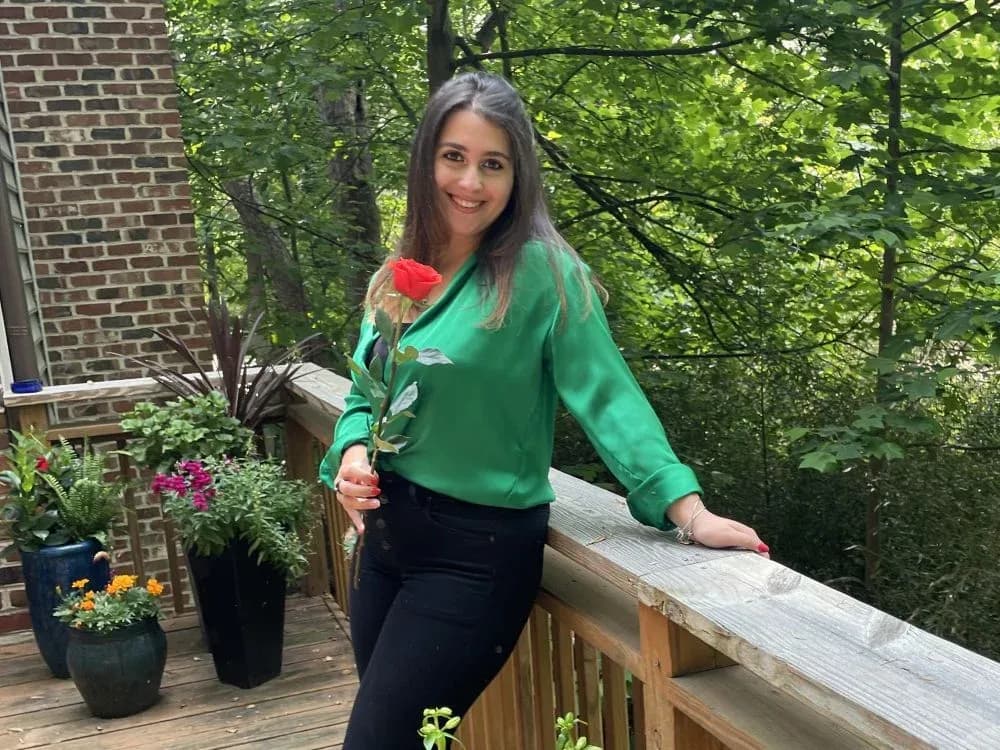
Louisa Bayburtian, a student hailing from the United States, has recently concluded a year abroad in Madrid. Throughout this period, she actively participated in an internship at Expanish.

Areeza Kabani, a student at University of California Irvine, recently completed a UCEAP Business in Barcelona study abroad program with Expanish. In this candid reflection for Expanish she describes how the experience - the good, the bad and everything in between - has changed her for the better.
Study Abroad

For many US university students, studying abroad is a once-in-a-lifetime opportunity to learn, grow, and discover the world beyond familiar borders. Here at Expanish Madrid, we spoke to University of South Alabama students about why this vibrant capital is such a great place to live and learn.

Studying a language in Buenos Aires is a big decision, but one that is rewarding and has lifelong lasting impressions on your life. As with any new adventure, taking such a big leap requires some planning and preparation. There will inevitably be things you wish you had known before arriving in Argentina, but hopefully these 5 tips will help you prepare to get the most out of your language learning adventure abroad.

Areeza Kabani, a student at University of California Irvine, shares some key tips and insights from her recent UCEAP Business in Barcelona study abroad program with Expanish. In this article, she uses the benefit of hindsight to help you prepare for your next program.

Scandra Ortega, a student at New York University, shares her top 10 tips for getting the most out of your study abroad program, based on her recent experience in Spain studying Marketing & Entrepreneurship and interning with Expanish Madrid.
All Posts

Four Expanish students from different parts of the world talk about their experiences learning Spanish in Spain and Argentina, and why staying three months or longer fully immersed in the language and culture is what makes the difference.

For many US university students, studying abroad is a once-in-a-lifetime opportunity to learn, grow, and discover the world beyond familiar borders. Here at Expanish Madrid, we spoke to University of South Alabama students about why this vibrant capital is such a great place to live and learn.

It's never too late to study a language as an adult. In fact, you might be missing out on a ton of benefits if you don't. There's no excuse not to get started!

It’s never too late to learn a language. Taking an immersive Spanish course aimed exclusively for mature students is a great way to travel, make meaningful cultural connections and meet other like-minded people. We spoke to some of our 50+ students at Expanish Malaga about their experiences.